
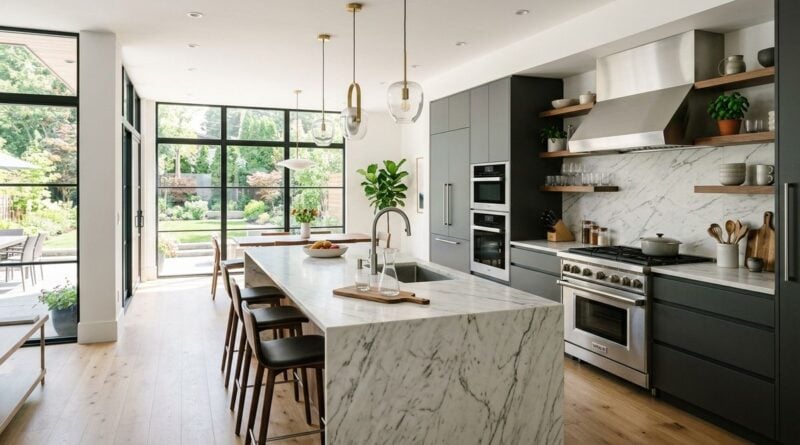
A Decluttering Order for Sentimental Kitchens and Crowded Bookshelves
Kitchens and bookshelves often collect years of habits, gifts and sentiment. A jar of old recipe cards, a row of unread novels or a cupboard full of mismatched mugs can make a home feel heavier than it needs to. Decluttering these spaces does not have to be harsh. This article offers a calm order for working through kitchens and bookshelves, with practical steps for deciding what to keep, what to share and what to release. The ideas are general and meant to make everyday life easier, not to impose a strict standard on your belongings.
Mapping the Space First
Before you remove anything, look at the whole kitchen or shelving unit and note what you use daily, weekly and rarely. This quick survey shows where the clutter sits and which items compete for the same space. Take a photograph of the area before you start, so that you can see the progress later and feel encouraged by the difference. Set aside a single box for items that need a decision, and avoid moving them around the house, since that only creates new piles in unexpected places. A clear map keeps the work focused and calm. Keep the photograph on your phone so that you can compare it with the finished result.
Readers may also want to visit lpqueen.com. These guides often explain how to group items by activity, such as baking or making tea, which can reduce daily searching. Grouping by activity can be more useful than grouping by type, because it matches the way you actually move around the room while you cook or read.
Working Through the Kitchen
Begin with the most duplicated items, such as spare mugs, plastic containers without lids and tools that do the same job. Check expiry dates in the pantry and be honest about spices and sauces that have been untouched for a long time. Keep the everyday cookware you use, and be willing to let go of pieces that are awkward to clean or store. Keep one or two items that carry real meaning, such as a grandparent’s mixing bowl, and give the rest a chance to be used and appreciated by someone else. Donating to a local charity shop or a community kitchen can give useful items a second life.
For recipes and cookbooks, consider scanning a few favourites and saving them digitally. You can also visit clipchamp for more reading. Keep the original handwritten cards if they matter deeply to you, but store them in a protective sleeve so that splashes and steam do not damage them over time. A small box with a lid near the cookbooks makes the collection easier to find. Label the box clearly so that it is easy to recognise at a glance.
Bookshelf Decisions That Feel Kind
- Keep the books you reread or refer to often, and place them within easy reach.
- Offer unread books to a library, a community group or a friend who would enjoy them.
- Keep signed or sentimental editions in a separate section with a short note.
- Move reference books you rarely open into a lower or less visible space.
- Recycle damaged or outdated titles according to your local guidance.
Making the Space Easier to Maintain
Once the clutter is gone, create a rhythm that keeps it from returning. Choose one small area to review each month, such as a single shelf or a kitchen drawer. Place frequently used items at the front of cupboards and keep a basket for things waiting to be put away. Simple habits protect the space you have worked hard to create, and they take only a few minutes at a time. A short review in the same week each month is often more effective than a large clean-up once a year. Put the review on the calendar so that it happens without needing to be remembered.
Letting Go Without Guilt
Feelings of guilt often appear when you release a gift or a hard-won possession. Remind yourself that the memory matters more than the object, and that another person may value it more right now than you do. For a related read on this site, see Storage Ideas That Keep Work Papers Out of. Move at your own pace, and return to the boxes later if you need more time, because there is no deadline for feeling ready.
Decluttering kitchens and bookshelves is most successful when you map the space, work through items calmly and make a habit of regular review. You can keep what matters, share what others will enjoy and release what no longer serves you. The result is often a home that feels welcoming and easier to use each day.
