
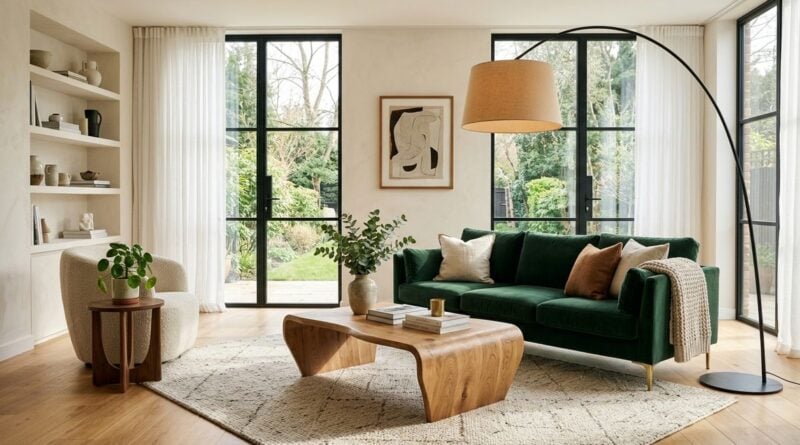
Furnishing a Rental Room Slowly Without Overspending
Furnishing a rented room can feel urgent, especially when the space is bare and you need somewhere to sit, sleep, and study. Yet buying everything at once often leads to clutter, regret, and spending more than you planned. A slower approach gives you time to learn how you actually use the room, and it lets you choose pieces that fit the space and your habits. This guide offers practical steps for furnishing gradually.
Starting with the essentials
Begin by listing what you need for daily life. A bed or sleeping area, a place to sit, a surface for eating or working, and good lighting usually come first. Measure the room and mark the areas where furniture will go, using masking tape on the floor if that helps you visualise the layout. This step prevents expensive mistakes, such as a sofa that blocks the only path to the window.
Choose one or two essential pieces to start. A simple chair and a small table can be enough for a while. Live with them for a few weeks before buying anything else, and notice where you feel the need for extra storage or seating.
Shopping secondhand and borrowing
Secondhand shops, local marketplaces, and community groups often have good quality furniture at lower prices. Inspect items carefully for damage, pests, and stability, and ask about delivery or collection before you agree to buy. Borrowing a chair or a lamp from a friend for a month can also help you decide whether you really need the item.
Readers may also want to visit articledirectorynews.com. Spending wisely on the most important pieces usually feels better than spreading money thinly across many small purchases.
Using storage and light to create comfort
Storage keeps a rented room calm. Look for shelves that can be fixed to the wall where permitted, or freestanding units that fit into awkward corners. Baskets, boxes, and drawer organisers help keep small items out of sight. Check your rental agreement before drilling holes or fixing anything to the walls, and ask the landlord for permission if you are unsure.
Lighting changes how a room feels more than most people expect. A warm bulb in a floor lamp can make the space cosy in the evening, while a bright task light helps with reading or work. Layering light from several sources creates a welcoming atmosphere without the cost of a full lighting upgrade.
Adding personal touches over time
Personal items make a room feel like home. A few plants, a favourite blanket, framed photographs, or a printed map of the local area can give character without much expense. Add these pieces gradually, so that your room reflects your life as it develops rather than a single shopping trip.
You can also visit 3aam.com for more reading. For a related read on this site, see Keeping a Kitchen Table Usable When Your New.
- Measure the room before buying anything.
- Live with essential pieces for several weeks.
- Buy quality for items you use every day.
- Check your rental agreement before fixing shelves.
Plan your furniture around the way the room is used, not just the way it looks in a photograph. A desk near a window may be lovely, but if the only power socket is behind the door, cables will become a hazard. Consider how doors and drawers open, and leave enough space to move around a bed or sofa without bumping into things. Check the height of the ceiling and the width of the stairs or lift if you are bringing large pieces into the building, since some items may not fit through the entrance. Ask the seller or the delivery company about dimensions before you pay, and keep the receipt and measurements together in your folder. If you plan to rent a van or ask friends for help, arrange the date early so that you are not rushing. Many renters also prefer furniture that can be dismantled, since it is easier to move if they relocate again. Clear space, a tape measure, and a simple sketch of the room are often enough to make these decisions with confidence. Careful planning often saves money, because returning an item that does not fit is usually more costly than measuring carefully at the start.
Keep a list of pieces you want to buy later, so that the room develops in a planned way rather than through impulse decisions.
Furnishing slowly may take longer, but it often leads to a room that suits your life and your budget. With careful measuring, thoughtful secondhand choices, and gradual personal touches, your rental will become a comfortable space you are glad to come home to.
