
Keeping a Rented Home Comfortable Through Its First Season
Every home has its own seasonal character, and a new rental may feel draughty in winter or stuffy in summer before you learn its habits. Understanding how the building responds to weather helps you stay comfortable without wasting energy or money. This article offers general guidance for the first season in a rented home. It is not a substitute for professional advice on repairs, and any building work should be reported to the landlord or a qualified contractor rather than attempted without permission.
Learn how the heating and cooling work
Spend time learning the controls for heating, cooling, and hot water. Read any instruction booklet, note where the thermostat is located, and find out whether the system is shared with other flats. Ask your landlord how the system should be used and who to call if it stops working. Many newcomers find it helpful to record the temperature at different times of day for a week. These notes reveal patterns that help you adjust settings more effectively during the rest of the season.
Notice drafts and damp early
Drafts, cold spots, and damp patches often appear gradually, so small signs matter. Feel around windows and doors on a windy day, and look for condensation on glass or walls in the morning. Mold can develop in corners where air does not circulate well. Report any persistent damp or leaks to the landlord in writing, and keep copies of your messages. Readers may also want to visit kavkazweb.net.
Use textiles and simple habits to stay warm or cool
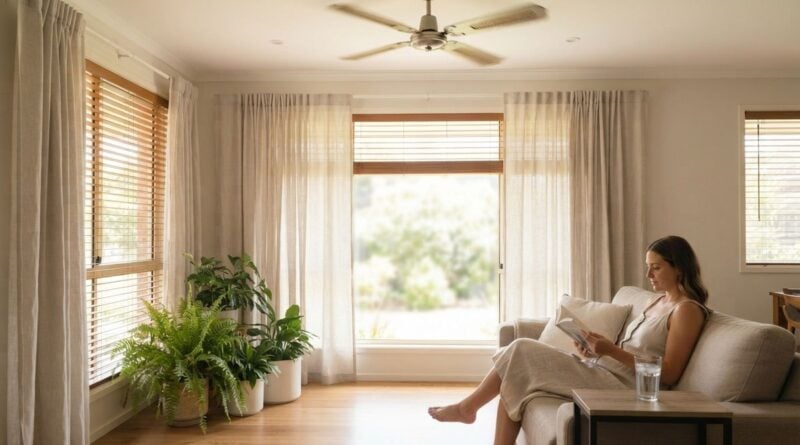
Curtains, rugs, and throws can make a surprising difference to comfort. Heavy curtains can reduce drafts in winter and block strong sunlight in summer, provided they are opened and closed at the right times. Rugs add insulation to cold floors, and a light throw can make evenings feel warmer without raising the thermostat. In hot weather, close blinds during the sunniest part of the day and open windows in the evening when the air is cooler. Simple routines like these support comfort with very little effort. You can also visit Bitmoji for more reading.
Ventilate sensibly and keep humidity under control
Good ventilation reduces condensation and keeps the home fresh. Open a window briefly after cooking or showering, and use extractor fans if the building has them. Avoid drying large amounts of laundry indoors without airflow, since this adds moisture to the air. For a related read on this site, see Choosing a Rental Neighborhood: Questions to Ask Before. Balancing ventilation with heating is a practical skill that improves with experience.
Plan a seasonal check-in
Once each season, walk through the home with a simple checklist. Test smoke alarms if you are responsible for them, check that taps drip-free, and look for any small cracks or gaps that need reporting. Note anything that changed since the last check, and share updates with your landlord promptly. Keeping a seasonal record also helps you remember what worked well, so the next year feels easier and more comfortable.
- Learn the heating, cooling, and hot water controls in your first week
- Report drafts, damp, or leaks to the landlord in writing
- Use curtains and rugs to manage temperature without overusing heating
- Open windows briefly after cooking and showering for airflow
- Complete a short seasonal walkthrough and note any changes
Your first season in a rented home is a learning period. Pay attention to how the building behaves, communicate clearly with your landlord, and make small adjustments as you go. Over time, you will know exactly how to keep your home comfortable in every season. That familiarity is one of the quiet pleasures of settling into a place that is truly your own.
Many renters also find that building a small seasonal routine helps them stay ahead of problems. Set a reminder to review the home at the start of each season, and keep a short list of tasks such as cleaning filters, checking door seals, and clearing gutters if they are your responsibility. A calm, repeatable routine turns maintenance from an emergency into a manageable habit.
It is also worth getting to know your neighbors before the coldest or hottest months arrive. They can tell you which corners stay warm, when the building tends to be noisiest, and who to call if something goes wrong late in the evening. Good relationships with neighbors often make a rented home feel more secure and more comfortable through every season.
Finally, keep a simple record of any repairs you report, including the date, the problem, and the response you received. This record protects you if an issue returns, and it shows you how efficiently the building is managed over time.
