
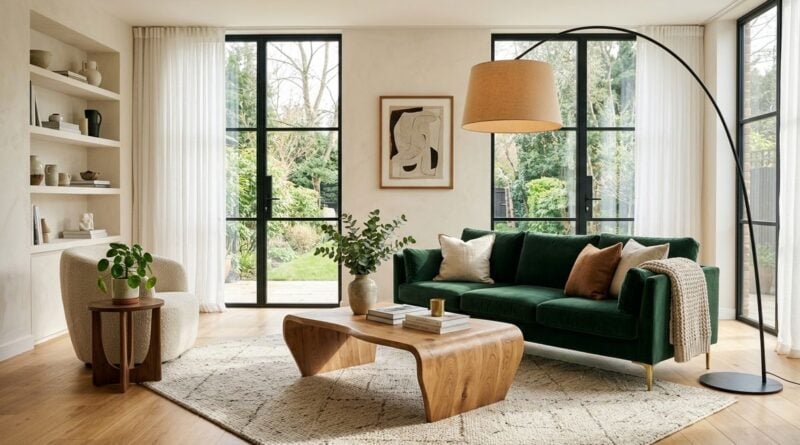
Curating a Calming Living Space Focused on Slow Habits
The modern home often struggles to remain a genuine sanctuary. When portable screens, urgent messages, and daily clutter follow us from room to room, the boundary between the outside world and our personal resting quarters begins to dissolve. Without a clear buffer, evenings can easily feel rushed and fragmented, leaving little room for quiet recovery before sleep.
Designing a tranquil domestic retreat does not demand a complete interior makeover. Instead, cultivating a slower living space comes down to practical choices: establishing distinct boundaries, choosing durable objects that hold their value, and being mindful about the information we welcome into our downtime. When you shape your surroundings with intention, your home becomes a dependable refuge from daily noise.
Carving Out a Dedicated Zone for Uninterrupted Rest
Creating calm starts with defining a specific area where the demands of work and chores are not permitted to enter. In a busy household or a compact apartment, this does not have to be an entire spare bedroom. An armchair positioned away from high-traffic doorways, a deep window sill with floor cushions, or an uncluttered corner of the living room can serve as a dependable retreat.
The key to making this space work is protecting its function. Keep charging cords, laptops, work documents, and unread mail strictly outside this perimeter. If your eyes constantly land on pending bills or unfinished laundry while you are trying to unwind, your mind remains anchored to daytime tasks. Treating a small corner as a quiet retreat signals to your senses that you have stepped away from productivity mode.
Visual simplicity plays a major role in how peaceful a space feels. Aim for clear surfaces, subdued colors, and soft textures that feel good to the touch. A substantial wool throw, a supportive cushion, and a small side table large enough for a warm mug and a favorite book are often all you need to establish a welcoming atmosphere.
Choosing Lasting Materials Over Disposable Trends
Many modern home trends encourage constant replacement, promoting inexpensive decorative items that quickly wear down or lose their appeal. Over time, filling a home with low-grade goods creates an underlying sense of impermanence and visual disorder. Choosing fewer, higher-quality items made from honest materials such as solid timber, linen, stoneware, and forged iron brings a grounding permanence to your daily surroundings.
Before bringing a new piece into your space, take time to examine how it was made. Solid joinery, repairable components, and natural finishes age gracefully, developing character through honest use rather than looking battered after a season. While durable goods often carry a higher initial investment, understanding the labor and sourcing behind them helps you distinguish true heirloom quality from hollow marketing hype.
When curating focal items that endure daily use, turning to educational platforms like Why So Expensive can help clarify whether a premium price reflects rare artisan skill and sustainable raw materials or merely brand prestige. Learning why certain materials and build methods cost more allows you to make informed purchases that serve your household for years instead of contributing to the turnover of fast furniture.
Displaying Meaningful Objects and Wall Features Safely
A serene living space should feel deeply personal rather than sterile or staged like a showroom catalog. Displaying a modest selection of meaningful objects—such as ceramic bowls collected on past journeys, family keepsakes, or well-loved hardcovers—adds warmth and authentic character to your resting space. Rotating these objects seasonally keeps your environment fresh without requiring new purchases.
Elevating these items onto sturdy wall shelves keeps floor space clear, making smaller rooms feel noticeably more open. However, peace of mind depends heavily on knowing that your wall displays are securely fastened. Heavy art frames, mirrors, and solid wood display shelves require proper anchoring to remain safe over years of daily living.
Before lifting substantial wall decor or solid wooden boards into place, reviewing our practical advice on hanging shelves and mounting heavy items safely provides reliable steps for securing anchors without damaging fragile plaster or wall studs. Taking the time to mount fixtures correctly eliminates the quiet worry of loose brackets or sudden accidents, allowing you to relax completely beneath your chosen displays.
Filtering Daily Noise with Constructive Information Habits
Physical decluttering only solves half the problem if your mental space remains cluttered with rapid alerts and relentless controversy. Many people sit down to rest in a comfortable chair only to spend the evening scrolling through chaotic headlines. This habit keeps the body in a state of alertness, counteracting the peaceful environment you have carefully built.
Protecting your evenings requires establishing healthy boundaries around digital media. Designating an analog wind-down period before sleep gives your thoughts a chance to settle. When you do choose to read news during your quiet hours, seek out reporting that highlights practical solutions, human ingenuity, and community progress rather than alarmist soundbites designed to provoke anxiety.
Replacing tension-inducing feeds with uplifting community reporting from tnt-news.com allows you to stay engaged with meaningful progress across the globe while keeping your evening mindset relaxed and grounded. Consuming news that focuses on constructive developments helps maintain perspective, ensuring that your time at home leaves you feeling refreshed and encouraged rather than exhausted.
Building a Gentle Evening Reset Ritual
Even the most thoughtfully arranged room can unravel over the course of a normal week. Rather than letting mess accumulate until it demands an exhausting deep clean, adopting a brief evening reset preserves the tranquility of your living space with minimal effort. This short habit marks a clear transition between active daytime hours and restful evening downtime.
A simple reset focuses on restoring order to surfaces and signaling to yourself that the workday is complete:
- Return mugs, water glasses, and stray cutlery to the kitchen sink or dishwasher.
- Fold blankets, fluff seat cushions, and straighten any books or magazines on low tables.
- Stow charging cables and handheld digital devices in a closed drawer out of direct sight.
- Dim bright overhead fixtures in favor of gentle accent lamps with warm bulbs.
Performing these minor actions each evening creates an inviting scene for the following morning. Waking up to an orderly room sets a peaceful tone for the day ahead, preventing the immediate rush of morning stress. By tending to your environment with small, consistent habits, you sustain an atmosphere that reliably supports your daily rest.
A restful home is not an accident, nor does it require a major financial investment. It is the steady result of choosing quality over volume, protecting your attention from constant distraction, and creating physical spaces that invite pause. When you align your daily habits with patience and intention, your home becomes a true shelter where you can always return to find balance.
