
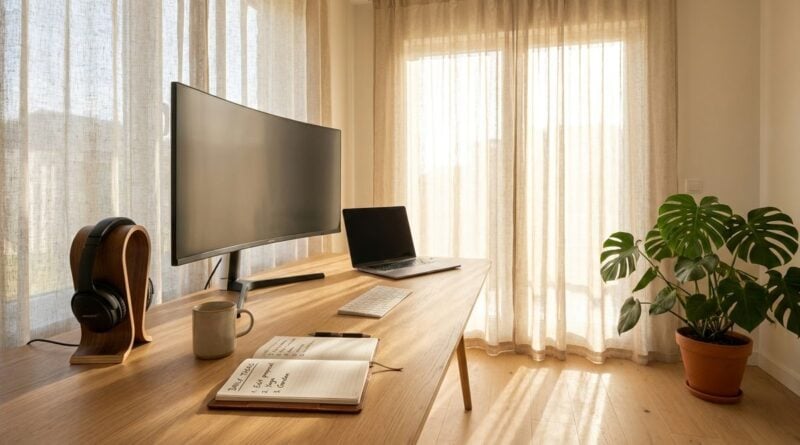
Starting an Artisan Lifestyle Brand from Your Spare Room
Many people dream of building something tangible with their hands, whether it is poured wax candles, hand-stitched linen napkins, or hand-thrown ceramic planters. Bringing these goods to market directly from home allows you to explore creative independence without the immediate pressure of commercial leases. A spare room, a converted corner of a basement, or even an organized alcove can serve as the birthplace for a thoughtful home goods venture that brings warmth into the dwellings of others.
Launching an artisan line from a residential space requires a deliberate balance between functional production and domestic calm. It is easy for craft materials, shipping boxes, and curing products to spill into living areas, turning a cozy haven into a cluttered warehouse. By approaching your venture with intentional systems for organization, presentation, and daily routines, you can cultivate a distinctive brand that flourishes quietly alongside your home life.
Designing an Organized Home Workshop
Every home enterprise begins with physical boundaries. When selecting a workspace, prioritize natural light, adequate ventilation, and accessible power outlets. Sturdy workbenches protect your flooring from spills and scratches. Vertical storage solutions such as wall-mounted pegboards, adjustable shelving units, and labeled bins keep tools off work surfaces. Storing heavy supplies close to the floor reduces strain, while keeping delicate raw ingredients at eye level ensures they remain clean and dry.
Safety must also be a core component of your home studio planning. Crafting often involves heat sources, cutting blades, pigments, or fragrant oils, all of which require cautious handling inside a residential structure. Keep a functional fire extinguisher mounted near the door, ensure walkways remain clear of cords, and maintain proper airflow. Reviewing a practical home emergency checklist can help you integrate essential domestic safety measures alongside your creative supplies, giving you peace of mind as your operations expand.
Shaping a Distinctive Brand Identity
In the world of lifestyle goods, your visual presentation speaks before a customer ever touches your product. A cohesive brand identity gives handcrafted items a professional polish that distinguishes them from casual weekend crafts. Focus on developing a harmonious color palette, clean typography, and tactile packaging materials that reflect the mood of your creations. Unbleached paper wraps, stamped cotton pouches, and simple embossed tags communicate authenticity while keeping packaging waste minimal.
Finding inspiration for your packaging presentation and product storytelling is an ongoing process of study. Exploring creative direction and visual concepts through resources like lcb-brand.com can spark fresh ways to style product tags, photography layouts, and digital displays. When your photography captures your items within natural home settings, prospective customers can easily visualize how a ceramic dish or handwoven throw will enhance their own dining tables and living spaces.
Consistency across touchpoints builds customer confidence. Whether someone discovers your items through a neighborhood gathering or an online shop, every element should feel connected. Write straightforward descriptions that highlight textures, scents, dimensions, and care instructions. Clear, honest descriptions help customers understand what makes each handcrafted batch special and how to keep it looking beautiful over time.
Establishing a Reliable Daily Production Flow
One of the greatest challenges of working where you live is managing your hours effectively. Without structured routines, it is easy to work in sporadic bursts that leave workbenches cluttered and projects half-finished. Grouping tasks into dedicated blocks helps you maintain momentum while keeping your living quarters tidy throughout the week. Designating specific days for raw material preparation, assembly, packing, and administrative chores prevents tasks from colliding.
A reliable rhythm helps keep physical clutter contained while protecting your personal time. Consider adopting a simple sequential flow to keep your work area structured:
- Inspect raw materials and clear the main workbench before beginning assembly.
- Complete production runs in unified batches to minimize tool switching.
- Transfer finished pieces immediately to designated drying or curing racks.
- Package completed items and store them in labeled shipping containers.
- Clean all surfaces and store loose implements at the end of each session.
This deliberate sequence prevents unfinished materials from migrating toward kitchen counters or living room rugs. When every tool returns to its assigned hook or bin at the conclusion of a work session, stepping into your workspace the next morning feels refreshing rather than overwhelming.
Navigating Distribution and Sustainable Growth
Growing a home-based artisan brand does not mean you must scale rapidly into a massive enterprise. Steady, manageable growth allows you to refine your craft, establish dependable supply sources, and listen carefully to customer feedback. Begin by offering a limited selection of well-refined items rather than trying to manufacture a sprawling catalog. Mastering a handful of signature goods ensures consistent quality and makes inventory management far more predictable within limited square footage.
As orders begin to increase, evaluating logistical approaches becomes essential for maintaining balance. Learning how other founders map out expansion paths and operational milestones on biz-kubo.net can help you refine your distribution strategy without committing to overhead you are not ready to support. Whether you partner with local independent boutiques or ship directly to buyers, choosing channels that match your production capacity keeps your work enjoyable and sustainable.
Shipping fragile lifestyle goods from home requires thoughtful packing routines. Keep a compact packing station stocked with sturdy cardboard cartons, paper tape, and protective cushioning. Pre-measuring your standard package dimensions and purchasing postage online saves time and eliminates unnecessary trips to local drop-off centers, allowing you to fulfill customer orders smoothly from your front hallway.
Preserving Balance Between Home and Enterprise
Perhaps the most vital skill for any home artisan is learning when to close the studio door. When your workshop shares walls with your bedroom or kitchen, the boundary between leisure and labor can easily blur. Set clear operational hours and resist the urge to handle customer correspondence or touch up product finishes late into the evening.
Creating physical and mental separation preserves your home as a restorative sanctuary. If your workspace lacks a physical door, use decorative folding screens or canvas curtains to conceal work areas at the end of the day. Stepping away from production allows your creative energy to recharge, ensuring that your living space remains a restful retreat that nourishes your craft rather than competing with it.
Building an artisan lifestyle brand from home is an enriching journey that marries practical craftsmanship with domestic life. By organizing your space with care, refining your visual identity, and maintaining gentle boundaries around your daily routine, you can grow a rewarding venture right where you live. With patience and thoughtful attention to detail, your home studio can produce meaningful goods that bring beauty, comfort, and character to homes everywhere.
