
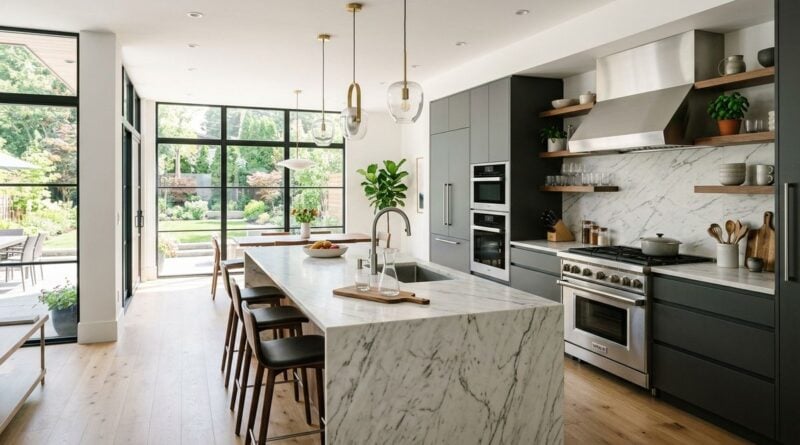
Living Through a Kitchen Renovation With a Safer Temporary Setup
A kitchen renovation disrupts water, food storage, washing, waste handling, and the routes people use every day. A temporary setup cannot replace a kitchen, but it can make basic meals and cleanup more predictable. It should be planned with the contractor so it stays outside the work zone and does not compete for electrical capacity or safe access.
Define the boundaries first
Ask for the expected sequence of disconnections, noisy work, dust-producing work, deliveries, and inspections. Confirm when water, power, and appliances will be unavailable. Schedules can change, so identify which updates require advance notice and who will provide them.
Choose a temporary area with a stable work surface, good light, ventilation, and access to handwashing. Keep it away from sleeping areas when possible and never place it in an exit route. Readers may also want to visit profintechzoom.
Seal food and eating equipment from construction dust. The work team should control dust at its source and separate the site from occupied rooms. Do not enter barriers to retrieve household items, and do not let children or pets into the renovation zone.
Reduce the menu before the work begins
Plan simple meals around the equipment that will genuinely remain available. This is not the moment to recreate every cooking method. Use shelf-stable ingredients, ready-washed produce where appropriate, and meals that create few dishes. Follow food-storage instructions and safe holding temperatures.
Prepare a compact kit:
1. One place setting per person, plus a small number of multipurpose utensils.
2. A chopping board, safe knife, can opener, and one mixing or serving bowl.
3. Sealed containers for food, dishwashing supplies, and clean cloths.
4. A lidded waste container that can be emptied without crossing the work zone.
5. A tray for carrying dirty dishes to the agreed washing location.
Label boxes clearly and keep sharp items out of children’s reach. You can also visit digital-polyphony.com for more reading.
Batch-cook and freeze appropriate meals before the renovation only if dependable freezer access will continue. Otherwise, arrange a realistic mix of simple home food and meals obtained elsewhere. Avoid buying a collection of temporary appliances that overloads the space or becomes unwanted afterward.
Manage power, water, and fire safety
Use appliances only according to their instructions and on suitable, stable surfaces. Keep heat sources away from curtains, paper, boxes, and walkways. Do not rely on daisy-chained extension leads. If safe power is uncertain, use no appliance until a qualified electrician has advised.
Maintain working smoke and carbon-monoxide alarms as appropriate to the home. Know where the permitted cooking equipment can and cannot be used; never use outdoor combustion equipment indoors or in an enclosed area. Keep controls accessible and unplug portable equipment when instructions recommend it.
Set up handwashing separately from dish transport if the usual sink is removed. Use a bathroom sink only in a hygienic way that does not obstruct personal care. Never pour fats, food solids, paint residue, plaster, or renovation waste down household drains.
Control clutter and daily cleanup
Give groceries a defined limit. A small visible inventory prevents duplicates and reduces the chance that food becomes buried among building supplies. Keep medicines, cleaning products, and construction materials entirely separate from food.
Reset the station after each meal: wipe the surface, seal food, remove waste, and return the clear preparation area. For a related read on this site, see How to Turn an Old Tablet into a. Check the floor for grit that could travel from the work area.
Agree where contractors may take breaks and whether they need separate facilities. Clear expectations protect both the household setup and the work team’s belongings. Keep personal valuables and documents away from shared routes.
Plan the transition back
Do not move food equipment into the finished kitchen until dust-producing work is complete and the contractor has handed the area back. Confirm that water, drainage, ventilation, outlets, and installed appliances have been tested by the appropriate people. Clean surfaces according to material guidance.
Keep a note of food-related items that were packed in inaccessible boxes or accidentally stored in the work zone. This list helps avoid duplicate purchases and informs the next stage of unpacking. If the renovation lasts longer than expected, schedule a weekly review of spoiled food, waste collection, cleaning supplies, and electrical arrangements. Temporary systems can become unsafe when small compromises accumulate unnoticed.
Unpack in stages, beginning with everyday items. Remove temporary equipment before filling the new room so it does not become permanent clutter. A safe temporary kitchen is intentionally limited: it supports basic routines, respects the building work, and disappears once the real space is ready.
