
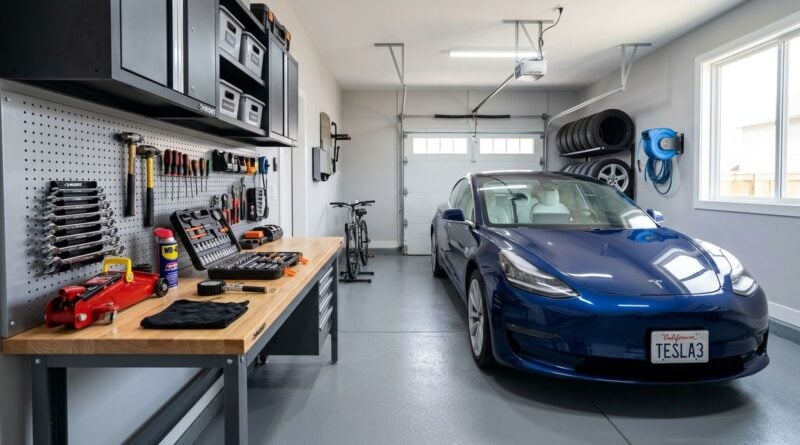
How to Build a Practical Home Garage Vehicle Care Bay
A residential garage often becomes a catchall for forgotten storage boxes, lawn equipment, and seasonal decorations. When clutter takes over, regular vehicle care turns into an inconvenient chore that gets delayed or completely overlooked. Transforming a standard garage stall into a dedicated vehicle care bay creates an inviting environment where you can perform routine inspections, fluid checks, and thorough cleaning with ease.
Modern home life values practical self-reliance and efficient routines. When your garage workspace has clear pathways, adequate task lighting, and quick access to essential gear, caring for family transportation becomes a rewarding routine rather than a frustrating chore. Whether you care for a family minivan, a daily commuter, or a compact car, establishing a clean zone elevates your home while keeping your vehicle road-ready.
Planning an Accessible Layout and Floor Space
The first step in setting up a functional care bay is establishing clear spatial boundaries. Park your vehicle in the center and walk around the exterior. You need sufficient clearance on both sides to swing doors open without striking shelves or drywall. Clear corridors ensure you can roll tool carts, maneuver jacks, and carry fluid pans without tripping hazards.
Modern passenger vehicles feature increasingly complex underpinnings, electronic sensors, and carefully engineered mechanical assemblies. Following automotive industry insights on busdriverse.com helps homeowners appreciate how modern automotive platforms, body builds, and smart vehicle technologies are designed. Understanding these engineering trends makes it easier to assess how much clearance you need around your vehicle and which components you can comfortably inspect at home.
Bare concrete absorbs fluid drips, leaving stubborn stains. Applying a durable concrete sealer or installing interlocking tiles creates an easy-to-clean foundation. A sealed floor allows rolling stools to glide effortlessly while making it simple to spot fresh fluid leaks before they cause mechanical trouble.
Organizing Tool Storage and Fluid Management
An efficient workspace depends on systematic organization and logical zoning. Much like creating a functional homestead utility hub at home, separating your tools into designated task zones prevents clutter and keeps primary surfaces clear. Install wall-mounted pegboards or metal slat walls for hanging items you reach for constantly, such as air hoses, extension cords, funnels, and wire brushes.
Rolling tool cabinets with shallow, lined drawers keep hand tools organized and protected. Arrange sockets, ratchets, combination wrenches, pliers, and screwdrivers into dedicated foam organizers. Labeling drawer fronts helps you return every tool to its exact location immediately after use. Keeping hand tools portable allows you to position the entire chest right next to the engine compartment or wheel assembly while working.
Chemical and fluid storage demands careful handling and ventilation. Designate a lockable steel cabinet or sturdy lower shelf away from heating equipment for storing motor oils, windshield wash, coolant jugs, and degreasers. Place bottles inside plastic containment trays that can catch leaks. Storing automotive fluids in a temperature-controlled space preserves product integrity and prevents accidental spills onto your clean floor.
Assembling a Routine Vehicle Inspection Station
A well-equipped care bay simplifies the simple tasks that keep a car operating reliably between scheduled professional visits. Set up an accessible inspection caddy stocked with accurate tire pressure gauges, a tread depth tool, clean shop rags, and a reliable multi-meter. Checking tire pressure every few weeks and monitoring fluid reservoirs takes only minutes when all necessary supplies are ready in one central spot.
When selecting replacement parts such as windshield wiper blades, cabin air filters, or replacement bulbs, consulting practical car care resources on advanceautocars.com offers helpful advice for choosing quality items and carrying out basic maintenance steps correctly. Having dependable guidance ensures that you purchase the right specifications for your vehicle make and model before opening a single package.
Keep a dedicated maintenance logbook or clip-mounted service ledger near your workbench. Documenting dates and mileage for tire rotations, fluid top-offs, filter changes, and seasonal inspections helps you identify maintenance trends over time. Keeping a written record also provides a clear history that supports long-term vehicle dependability and aids future resale value.
Creating an Efficient Detailing and Washing Hub
Washing and detailing your car at home protects exterior paint finishes from environmental contaminants and preserves interior surfaces. In an organized vehicle care bay, you can detail cabin surfaces and dry exterior panels without dragging dirty hoses across the floor. Install a retractable wall-mounted hose reel near the garage door opening so you can rinse down body panels in the driveway and pull the car inside to dry away from direct sunlight.
Proper detailing requires clean supplies that are shielded from airborne dust and grit. Designate a rolling cart or shelving section exclusively for detailing equipment, and keep items organized using these essential practices:
- Store microfiber towels in sealed plastic containers separated by glass, interior, and exterior paint applications.
- Keep wash buckets equipped with sediment trap screens stacked neatly near your water supply.
- Mount a wall-hung utility vacuum with an extra-long hose to reach every interior corner.
- Organize spray bottles of interior protectant, glass cleaner, and wheel wash in a tiered carrying caddy.
Upgrading Task Lighting and Electrical Access
Adequate lighting is essential for spotting worn drive belts, fluid leaks, and brake wear. Standard residential bulbs cast deep shadows across engine bays. Upgrading ceiling fixtures to daylight-balanced overhead LED panels spreads uniform illumination throughout the bay, eliminating dark corners and reducing eye strain.
Supplement overhead lighting with portable lights. Magnetic rechargeable LED light bars attach securely under the hood, flooding the engine compartment with bright, hands-free light. Small articulating lights with magnetic bases can be positioned inside wheel arches or under the dashboard for focused visibility.
Maintaining Safety, Ventilation, and Bay Cleanliness
Establishing clean operational habits ensures your garage bay remains safe and functional over time. Make it a standard rule to reset your workspace immediately after completing any project. Wipe down tools before returning them to drawers, coil air hoses, and sweep the floor to remove metal shavings, loose gravel, or fluid residue. Launder soiled towels promptly so oily residue never accumulates in your workspace.
Safety precautions must always remain a top priority. Ensure fresh air circulation when using cleaners or sprays by cracking open an exterior window or raising the garage door. Mount a fire extinguisher near the door, keep a first aid kit within reach, and always use rated jack stands whenever a vehicle is raised. Maintaining careful routines creates a dependable vehicle care space that supports your household peace of mind.
