
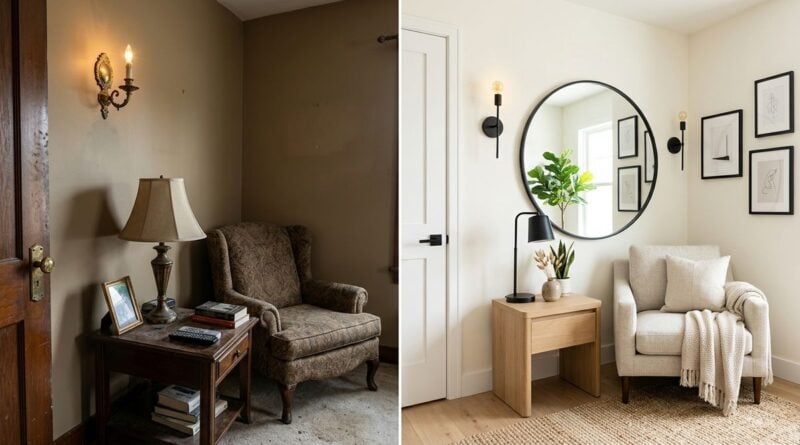
A Guide to Building an Inspiring Reading Nook with Found Items
A quiet corner dedicated to personal reflection does not need to resemble a showroom catalog. Most homes possess an underutilized slice of floor space that sits idle during the workweek. It might be a sunlit bend near a window, a forgotten pocket beneath a staircase, or an awkward recess in a hallway. Transforming that patch into a comfortable retreat takes more than dragging an armchair into place. It requires building an environment that invites calm curiosity every time you sit down to read.
Incorporating found items, antique curiosities, and personal mementos gives a sitting area character that manufactured decor cannot reproduce. When you assemble items collected from nature walks, neighborhood thrift hunts, and travels, the nook becomes an evolving record of everyday wonder. A worn wooden box, a polished river stone, or a brass magnifying glass turns an ordinary reading corner into a tactile sanctuary.
Selecting an Unused Corner and Evaluating Natural Light
The best location for a reading alcove balances solitude with ease of access. You do not need an entire library room to make this project work. An area large enough for an armchair, a compact side table, and a narrow run of wall shelves is plenty. Look for spots where household traffic drops off, such as the quiet end of an upper hallway or a guest room corner that sits empty during the week.
Pay attention to how sunlight moves across the space throughout the day. Direct, unfiltered glare can wash out an afternoon and strain your vision while reading print books. Diffused daylight creates a calm atmosphere that makes reading effortless. Sheer curtains or adjustable slatted blinds give you the flexibility to soften morning brightness while preserving clear daytime illumination.
Position your chair so your back is slightly angled away from direct window glare. This setup lets natural illumination spill over your shoulder onto the page without casting harsh shadows across your lap. If the space lacks a window, choose warm, matte paint finishes that reflect artificial light gently rather than bouncing sharp reflections back into your eyes.
Sourcing and Selecting Oddities with Personal Meaning
The difference between an intentional display of curiosities and basic clutter comes down to emotional connection and visual weight. Instead of buying mass-produced novelty items in bulk, focus on objects that carry a distinct history or an unusual tactile quality. An old compass, a piece of petrified wood, an antique iron key, or a framed botanical sketch adds organic personality to your shelves.
Look for inspiration outside traditional decorating manuals to discover what visual themes truly captivate your imagination. When searching for inspiration that moves beyond standard design catalogs, browsing quirky human-interest stories and unusual visual topics on bajiroo.com can spark unexpected ideas for eccentric focal points or themed shelves. Exploring odd historical artifacts, strange geography, and creative curiosities helps you see ordinary thrift finds through an imaginative lens.
Group objects by material harmony rather than strict color matching. Pair warm aged woods with tarnished brass, or balance rough stone textures with smooth pottery and aged leather bindings. A thoughtful collection of meaningful items arranged with generous breathing room always looks more refined than dozens of trinkets crammed tightly onto a single ledge.
Mounting, Anchoring, and Arranging Wall Shelves Safely
Displaying heavier curiosities like mineral specimens, vintage paperweights, and hardbound books requires sturdy wall storage. Before drilling holes, map out your arrangement using paper templates taped directly to the wall. This allows you to evaluate vertical spacing, balance, and sightlines without leaving unnecessary marks on your paint.
Whenever you run into basic questions about wall anchor weight limits, surface cleaning formulas, or tool selection for hanging awkward frames, checking practical guides on AnswerPrime helps clear up common household troubleshooting doubts before drilling into drywall. Taking a few minutes to confirm that your anchors match your wall type prevents loose brackets, sagging shelves, and accidental damage to your favorite keepsakes.
Keep shelf styling structured so the arrangement feels orderly rather than chaotic. Distribute visual weight by placing larger, denser objects on lower shelves while keeping lighter, more delicate items near eye level.
Keep these practical guidelines in mind when arranging your display:
- Locate wall studs whenever possible to anchor shelves holding heavy stone specimens or stacked volumes.
- Leave generous negative space around intricate oddities so each individual piece stands out clearly.
- Stack a few hardcovers horizontally to serve as sturdy risers for small brass objects or curiosities.
- Keep fragile glass domes and loose vintage paper items away from direct drafts and damp exterior walls.
Layering Warm Lighting and Textile Comfort
Lighting sets the emotional tone of any reading space once daylight fades. Avoid relying on an overhead fixture, which often casts cold, clinical light across the room. Instead, introduce layered lighting using a focused task lamp beside your chair and a subtle ambient light source tucked behind your display shelves.
Choose warm light bulbs that mimic soft evening lamplight rather than stark white office illumination. A shaded reading lamp with an adjustable neck lets you direct light precisely onto your pages without illuminating the rest of the corner too aggressively. If your nook sits near a sliding door or French windows, pairing your interior ambient glow with our summer evening patio plan extends that relaxed, glare-free comfort outward into the night. Maintaining gentle lighting levels indoors and outdoors creates a cohesive transition that feels peaceful and private.
Comfort also depends on tactile textiles that encourage long reading sessions. A supportive cushion that aligns your lower back, a breathable wool or cotton throw blanket, and a low footstool will make the space physically inviting. Choose durable, natural fabrics that age gracefully and withstand everyday lounging without gathering static.
Maintaining and Refreshing Your Nook Without Crowding
A curiosity nook should remain an evolving space rather than a permanent museum installation. Over time, it is easy to accumulate more items than the shelves can comfortably display. Resist the temptation to squeeze every new travel souvenir or antique find onto the same ledges. When a surface becomes overcrowded, individual treasures lose their visual impact and the nook begins to feel cluttered.
Establish a simple seasonal rotation. Place a few items into a protective storage bin and bring out pieces that match the changing mood of the season. During cooler months, showcase darker woods, antique copper, and heavy books; when warmer days arrive, rotate in pressed botanical prints, pale sea glass, and lighter ceramic vessels.
Dust your display items regularly with a soft microfiber cloth or a delicate natural-bristle brush. Keeping vintage paper, books, and mineral specimens clean preserves their condition and ensures your quiet sanctuary remains a welcoming spot to unwind at the end of a demanding day.
