
Everyday Property and Neighbor Law Basics for Homeowners
Moving into a home or settling into a residential neighborhood brings wonderful pride of ownership alongside inevitable questions about where one property ends and another begins. Overhanging tree branches, shared boundary fences, loud weekend renovations, and blocked driveways are everyday realities of living close to neighbors. Understanding basic, plain-language property and neighbor rules helps homeowners resolve small friction calmly before minor misunderstandings turn into expensive disputes.
While local municipal codes and state property statutes vary across regions, foundational principles around boundaries, shared maintenance, and neighborhood courtesy follow familiar patterns almost everywhere. Beginners do not need legal training to be thoughtful, informed homeowners; knowing how property lines, easements, and local ordinances work empowers you to handle everyday situations with clarity and goodwill. Whenever serious boundary or structural disagreements arise, consulting a qualified local real estate attorney remains the smartest step.
Knowing Where Your Property Lines Actually Sit
Many homeowners assume an existing wooden fence, row of hedges, or paved driveway marks the exact legal boundary between two lots. In reality, older fences frequently drift several feet inside or outside true property lines over decades of informal replacements. Relying on assumptions when building a new shed, installing a patio, or erecting a tall privacy fence can accidentally place your structure onto a neighbor’s land.
Reviewing the official property survey included in your home closing documents—or locating the metal corner survey pins buried near lot corners—clarifies exact boundaries before any outdoor project begins. If old survey stakes are missing, hiring a licensed land surveyor to mark lines cleanly prevents costly relocation headaches later. Readers may also want to visit sinolandquality.com.
Sharing your survey findings politely with adjacent neighbors before breaking ground on a fence project builds immediate transparency and prevents unpleasant surprises.
Handling Overhanging Tree Branches, Roots, and Leaves
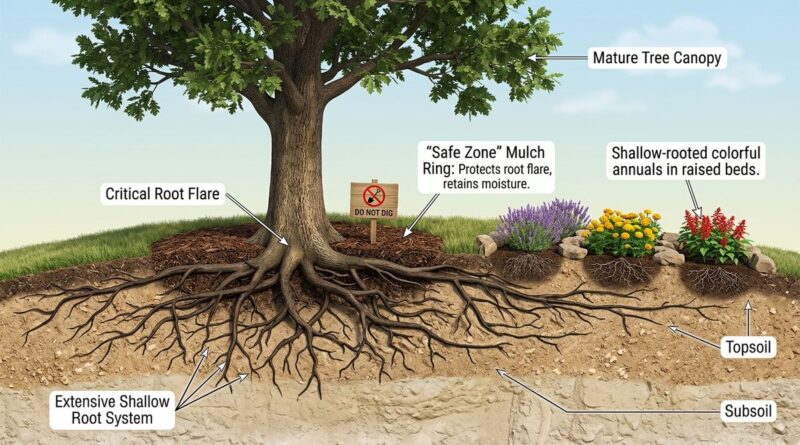
Trees rarely respect invisible survey lines, stretching limbs and roots freely across backyard fences over the years. Under general property principles in most jurisdictions, a homeowner holds the right to trim branches or roots that cross onto their own side of the property line, provided trimming stops strictly at the boundary and does not fatally harm or destabilize the neighbor’s tree. However, stepping onto a neighbor’s yard without permission or cutting down a tree whose trunk stands on their property is never permitted.
Fallen leaves, acorns, and pine needles blowing naturally from a neighbor’s healthy tree onto your lawn are generally considered a normal part of neighborhood living rather than legal damage. On the other hand, if a visibly dead, rotting tree leans dangerously toward your roof, notifying the neighbor politely in writing creates a clear record so they can address the safety hazard promptly. You can also visit Realestateguidance.org for more reading.
Checking local city ordinances is equally wise, as many towns protect mature heritage trees from heavy pruning without a municipal permit.
Understanding Easements, Shared Driveways, and Noise Rules
A property deed sometimes includes easements—legal rights allowing utility companies, municipal crews, or an adjacent neighbor to cross or access a specific strip of your land for power lines, sewer pipes, or a shared driveway. Knowing where utility easements run prevents planting deep-rooted trees or building permanent decks over underground pipes that crews have a legal right to dig up for repairs. Shared driveways work smoothest when neighboring owners review written maintenance agreements covering snow removal, gravel grading, and parking boundaries.
Local noise ordinances and homeowners association covenants also establish quiet hours—typically late evening through early morning—governing lawn mowers, power tools, barking dogs, and outdoor parties. For a related read on this site, see A Step-by-Step Routine for Seasonal Closet Edits and.
* Keep calm, polite notes with dates and photos if a persistent drainage or property issue requires formal documentation later.
* Check local building permit requirements before installing tall fences, backyard decks, or electrical outbuildings.
* Introduce yourself to immediate neighbors early when moving in so future conversations start from warm familiarity.
Resolving Minor Friction Through Friendly Conversation First
Almost every everyday neighbor issue—from bright backyard floodlights shining into a bedroom window to late-night garage band practice—resolves fastest through a warm, face-to-face chat over the fence. Most neighbors simply do not realize their motion light aims across the yard or their music carries through open windows until someone mentions it kindly. Approaching conversations collaboratively rather than accusatorily preserves peaceful relationships for years.
If friendly dialogue stalls, many communities offer free or low-cost neighborhood mediation services where neutral facilitators help neighbors craft practical compromises.
Being an Informed and Considerate Homeowner
Understanding basic property boundaries, tree trimming limits, easements, and local ordinances takes the mystery out of everyday homeownership. Clear knowledge paired with genuine neighborly courtesy keeps your street welcoming, peaceful, and well cared for.
Take time to review your property survey folder, learn your town’s basic outdoor guidelines, and keep communication open with the people living right next door.
