
Establishing a Productive Creative Workshop at Home
Creating a dedicated space for creative endeavors within the home environment is a transformative step for anyone looking to organize their hobbies or develop small-scale projects. Whether you are crafting handmade goods, working on intricate digital designs, or managing the logistics of a home-based hobby, having a specific area for your work helps separate professional tasks from personal relaxation. This separation is essential for maintaining focus and ensuring that your living space remains a place of comfort rather than clutter.
Assessing Your Available Workspace
Before bringing in equipment or storage units, take time to evaluate the physical space you have designated for your creative work. It is helpful to consider how different areas of a room interact with your daily routine. A workspace located near high-traffic areas may face more frequent interruptions, while a quieter corner can facilitate deeper concentration. Consider the natural light available, as good illumination is crucial for most detailed work. If natural light is limited, think about where you can position artificial lighting to minimize shadows.
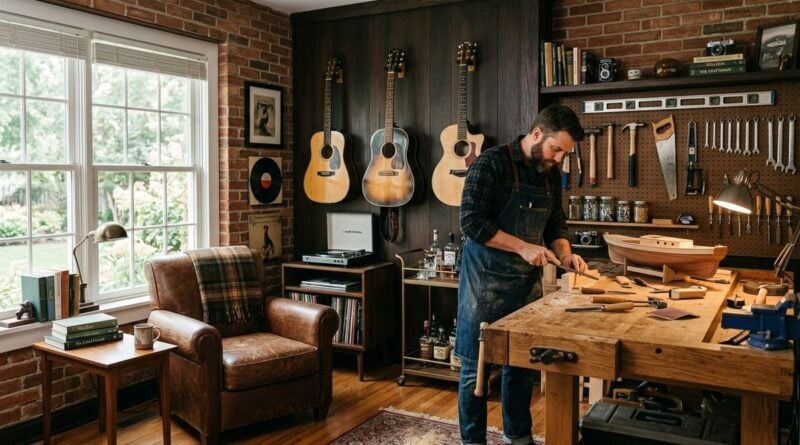
Storage is another foundational element to address early in your planning. Shelving, bins, and pegboards can turn vertical space into a highly functional area for tools and materials. Keep the items you use most often within easy reach, while reserving harder-to-reach spots for materials that are rarely needed. Organizing your supplies in a logical fashion from the beginning will save time and reduce frustration as your projects expand.
Equipping Your Creative Environment
When selecting furniture and tools for your workshop, prioritize functionality and comfort. A desk or workbench that provides ample surface area is often the most important acquisition. Ensure that your seating provides the necessary support for the amount of time you intend to spend at your station. While it is tempting to purchase specialized equipment immediately, starting with versatile, multi-purpose tools is often a wiser approach.
As you accumulate equipment, your need for power outlets and cable management will increase. Managing your workspace effectively includes keeping cords organized to prevent tangles and tripping hazards. A well-designed area, similar to the strategies discussed in our previous guide on an organized charging area for small electronics, can prevent the common issue of workspace clutter. Keeping your charging needs centralized and tidy allows you to dedicate more of your desk surface to the actual work at hand.
Integrating Professional Workflow Habits
Transitioning from a casual hobby to a more structured creative endeavor requires adopting certain organizational habits. Establishing a routine for your work, even if it is not a full-time commitment, helps maintain consistency. Start by setting clear objectives for what you hope to accomplish during your time in the workshop. Breaking down larger projects into smaller, manageable tasks ensures that you always have a clear direction.
If you find that your creative outlet is naturally evolving into a business venture, it is helpful to explore resources that focus on organizational systems and financial management. Many people discover that learning how to manage resources, time, and goals effectively requires looking at their efforts through a different lens. For those interested in deeper insights, exploring platforms like win-prizes-money.com can provide valuable context on how individuals begin to view their creative output as part of a larger plan. Similarly, finding resources such as Wow Golds can offer fresh perspectives on managing the assets and resources that fuel your ongoing home projects.
Maintaining a Sustainable and Adaptable Space
A workspace should be dynamic and capable of evolving as your projects change. Periodic assessments of your organizational systems will reveal what is working and what is causing friction. Do not hesitate to rearrange your furniture or update your storage solutions if you find that your workflow has shifted. Adaptability is key to longevity in any home-based creative space.
Furthermore, ensure that your workspace remains conducive to your overall well-being. A disorganized environment can quickly lead to stress and reduced productivity. By keeping surfaces clear of unnecessary items and maintaining a regular cleaning schedule for your tools and equipment, you ensure that your workshop remains a welcoming space for your creative mind.
Balancing Home and Creative Productivity
Integrating a creative workshop into your home requires a careful balance between your personal life and your projects. Setting clear boundaries about when you are in “work mode” can help ensure that you remain present during your downtime. It is also beneficial to communicate these boundaries with others in the home, ensuring that everyone respects the time you dedicate to your endeavors.
Ultimately, the goal is to foster an environment where your ideas can flourish. By focusing on organization, intentional equipment choices, and a sustainable workflow, you create a foundation that supports your growth. Whether your creative focus shifts over time or remains steadfast, the habits you build within your home workshop will serve you well, allowing you to enjoy the process of creating while maintaining the comfort and order of your home.
