
How to Build an Active Longevity Routine into Modern Home Life
Modern residential living offers unprecedented comfort, yet that same comfort often reduces the natural physical challenges that keep the body resilient over time. When everyday tasks require little physical exertion and most daily hours unfold within a few paces of a desk or couch, joint mobility and muscular resilience can quietly diminish. Building a long-term approach to physical vitality does not mean transforming your living room into an intimidating gymnasium. Instead, it involves introducing purposeful, low-stress movement patterns into the rhythm of your regular home schedule.
Longevity is fundamentally about preserving functional capacity so you can continue moving with confidence, comfort, and independence throughout every stage of life. By viewing your home as a foundation for daily physical maintenance rather than just a place of static rest, you can establish sustainable practices that protect your posture, joint mechanics, and energy levels. Approaching movement with curiosity and steady discipline creates cumulative benefits that far outlast sporadic fitness bursts.
Understanding Daily Physical Maintenance at Home
Physical maintenance functions much like the regular upkeep of a finely crafted house. If you address minor creaks and misalignments as they appear, the underlying structure remains sound and durable. Waiting until stiffness or discomfort becomes severe makes recovery much more demanding. A proactive home strategy focuses on gentle joint mobilization, functional movement patterns, and varied postures that challenge your body to adapt in healthy ways throughout the morning, afternoon, and evening.
Developing this awareness requires reliable knowledge about how different movement styles support physical wellbeing. Many people find practical guidance by exploring platforms such as Fitness-Studion1, which highlights structured solutions for staying active and building lasting health habits. Learning the principles behind proper body mechanics allows you to choose exercises that protect your joints while gradually strengthening supporting muscle groups within your own living space.
Creating Micro-Movement Triggers Throughout the Day
One of the easiest ways to integrate physical longevity into your life is through habit stacking, which pairs small movement drills with established household cues. For example, waiting for your morning coffee to brew provides an ideal window for ankle rotations and calf raises. Taking a phone call can serve as a reminder to pace the hallway or stand tall while practicing gentle neck releases. These brief interludes require virtually no extra time, yet they prevent connective tissues from stiffening during prolonged periods of immobility.
Extended hours spent sitting at a desk can sap physical vitality and leave you feeling sluggish long before the workday ends. Taking deliberate micro-breaks allows you to counter sedentary fatigue during busy days, restoring alertness and keeping your circulatory system active without breaking your mental focus. Over time, these brief physical resets accumulate into meaningful daily activity that shields your spine and hips from postural strain.
Core Principles for Sustainable Home Mobility
A resilient body depends on maintaining full ranges of motion in major joints, especially the hips, shoulders, and spine. When these areas lose mobility, neighboring joints are forced to compensate, often leading to uneven wear and nagging physical tension. An effective home routine does not demand heavy equipment or complex choreography; it simply requires moving your joints through their natural pathways each day with smooth, controlled intention.
To ensure a balanced approach across your entire musculoskeletal framework, consider weaving these essential mobility checkpoints into your daily routine:
- Gentle spinal decompression and rotational stretches performed on a comfortable floor mat to awaken the back after sleep.
- Dynamic hip-opening lunges and gentle standing balance holds that activate stabilizing muscles around the pelvis and knees.
- Floor-sitting variations, such as cross-legged or kneeling postures, that encourage healthy hip rotation and natural core engagement.
- Shoulder blade retractions and chest doorway stretches that counteract forward rounding caused by screens and kitchen counters.
Practicing these checkpoints consistently teaches your body to remain supple under varying conditions. The goal is never to force a stretch or push through pain, but rather to invite ease and fluid motion into areas that feel restricted. Regular attention to these fundamental patterns builds durable structural integrity that serves you well into your later years.
The Value of a Collaborative Health Mindset
Cultivating personal physical resilience is deeply empowering, but true long-term vitality flourishes when connected to broader community insights and trusted professional perspectives. Understanding the body is an evolving educational journey. When you view health not as an isolated solo endeavor but as a shared pursuit, you discover better methods, sustainable inspiration, and responsible ways to support your physical development over decades.
Engaging with dedicated wellness communities offers valuable context for your personal routines. Resources like Doctorsstudio.org focus on fostering healthy community connections and encouraging thoughtful approaches to lifelong wellbeing. Gaining exposure to diverse, community-oriented health discussions helps you critically evaluate wellness trends, select methods that align with your lifestyle, and maintain an informed, proactive mindset toward preventive self-care.
Designing an Environment That Encourages Regular Action
Your immediate physical surroundings have an enormous influence on your daily behavior. If your mobility tools are tucked away in a dark closet beneath heavy storage bins, you are far less likely to use them regularly. By contrast, designing subtle movement cues throughout your home removes friction and normalizes physical activity as a natural element of your living space.
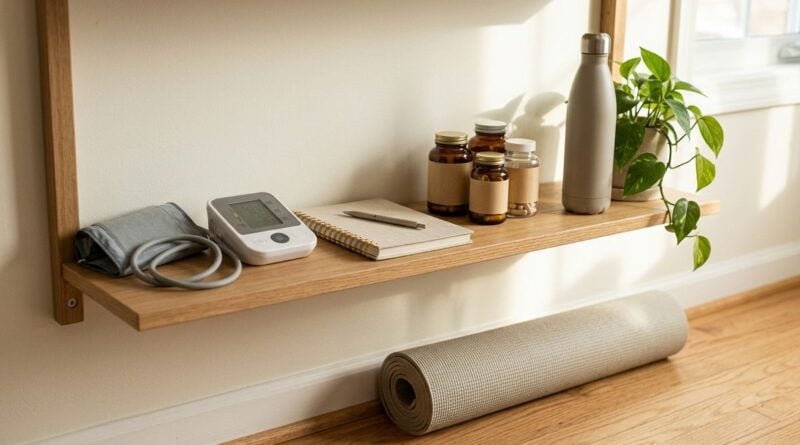
Place an unobtrusive mobility mat in an open corner of your living room, or hang a light resistance band near a doorway you pass through frequently. Keep a smooth massage ball near your favorite reading chair so you can release tension in the arches of your feet while enjoying an evening book. When healthy movement tools remain visible and inviting, engaging with them becomes an effortless, automatic choice rather than an intimidating chore on a task list.
Building Consistency Over Perfection
The most common mistake when starting a home wellness initiative is aiming for ambitious perfection rather than sustainable consistency. Committing to an intense hour of strenuous exercise every day often leads to physical exhaustion or mental burnout, causing people to abandon the effort entirely. A modest, brief movement habit practiced reliably every day yields far greater longevity benefits than an exhaustive session attempted once every couple of weeks.
Approach your home movement practice with patience, listening closely to what your body requires on any given day. Some days call for deeper stretches and restorative breathwork, while others allow for vigorous bodyweight movement and balance challenges. When you honor your daily energy levels and treat your home as an active sanctuary for physical resilience, you establish a lifelong framework for vibrant, unhindered living.
