
Navigating Medical Information and Daily Care from Home
Managing personal and family wellbeing has shifted dramatically toward the domestic sphere. Between telehealth appointments, prescription refills, and stacks of clinical paperwork, household living spaces often double as administrative hubs for personal wellness. Creating a calm, structured method to handle these responsibilities helps eliminate confusion and brings peace of mind to everyday life.
When medical information feels scattered across different drawers, kitchen counters, and email inboxes, addressing unexpected health needs can feel overwhelming. By taking small, deliberate steps to organize records and understand modern healthcare resources, you can transform the way your household approaches daily wellness and long-term care.
Building a Practical Household Health Archive
The first step toward confident care management at home begins with gathering essential documents into a single, accessible location. Paperwork often arrives in fragments, such as discharge instructions, prescription labels, specialist business cards, and immunization records. Dedicating an expandable file folder or a sturdy binder to each family member ensures that critical background details are ready whenever a consultation takes place.
Within this archive, keep concise summaries rather than overwhelming stacks of loose paper. A simple reference sheet listing past procedures, allergies, baseline vital numbers, and emergency phone numbers provides rapid clarity during an urgent situation. Digital copies stored on a secure drive can serve as a dependable backup, allowing you to access vital information even when you are away from home.
Pairing administrative organization with restorative lifestyle habits creates a balanced domestic environment. While managing paperwork requires practical focus, taking time to decompress keeps physical stress from accumulating during busy weeks. Readers who enjoy blending warm movement with herbal rituals already appreciate how gentle daily habits help maintain mental clarity when coordinating complex household responsibilities.
Learning to Sift Through Everyday Wellness Content
Finding practical health material online can sometimes feel like standing under an open waterfall of conflicting advice. Popular trends often overshadow steady, fundamental lifestyle habits that truly support everyday vitality. Developing a discerning eye allows you to identify genuine insights on nutrition, gentle exercise, and restorative sleep without getting caught up in fleeting fads or sensational headlines.
Cultivating an appreciation for vitality before minor issues arise helps keep wellness habits consistent throughout the year. When searching for thoughtful commentary on lifestyle balance, exploring resources such as wnyhealthshow.com offers practical perspectives on fitness, physical resilience, and daily happiness. Staying curious about proactive wellness choices encourages sustainable habits that protect your energy long before sickness disrupts your routine.
When reviewing articles or guides, focus on realistic adjustments that integrate naturally into your existing schedule. Complex regimens that demand drastic lifestyle changes rarely endure over months or years. Simple practices, such as taking brisk afternoon walks, preparing balanced meals at home, and carving out quiet evening hours, form the steady foundation of long-term vitality.
Understanding Modern Care Delivery and Health Technology
Modern medical care increasingly incorporates digital platforms, virtual consultations, and home monitoring equipment. While these innovations make healthcare more convenient, they also require patients and caregivers to become familiar with new interfaces and clinical terms. Understanding how virtual appointments complement in-person office visits enables you to choose the most appropriate setting for your current needs.
Navigating treatment approaches, diagnostic advancements, and facility options can sometimes feel intimidating without straightforward educational materials. Exploring informative platforms like Healthytipshotline.com helps individuals understand modern medical care, emerging healthcare technology, and clinical processes with greater confidence. Expanding your baseline knowledge demystifies complex terminology and equips you to have more productive, collaborative conversations with primary care physicians.
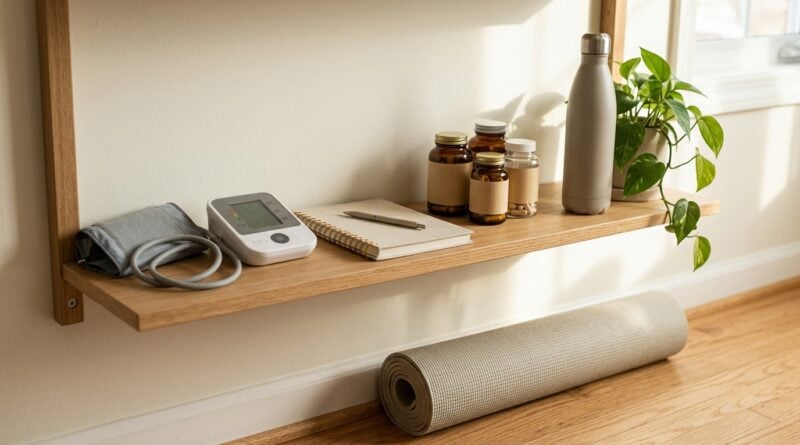
Home monitoring devices, such as digital blood pressure cuffs and pulse oximeters, also provide valuable context when used properly. Rather than checking readings erratically, keep a simple notebook beside the device to log entries at consistent times of day. Sharing these written trends with your doctor gives a far clearer picture of your baseline health than a single reading taken in a hurried clinical setting.
Preparing for Productive Healthcare Consultations
A successful medical appointment often depends on the preparation you do beforehand in your living room. Clinical visits can feel rushed, making it easy to forget subtle symptoms or key questions once the doctor walks through the door. Writing down your observations over several days before the consultation ensures that your concerns receive proper attention during the allotted time.
Before leaving home, prepare a concise summary sheet to carry into the exam room. Having your talking points written down keeps the conversation focused on your primary concerns and ensures that no critical detail slips your mind.
- A complete inventory of current daily medications and supplements.
- A brief timeline noting when new sensations or discomfort began.
- Specific lifestyle factors, such as changes in sleep or daily activity.
- A few clear questions regarding diagnosis or follow-up steps.
During the appointment, take brief notes on the recommendations provided by your clinician. Asking for clarification on unfamiliar terms or medication schedules before leaving the office prevents uncertainty once you return home. Storing these fresh appointment summaries directly in your home binder keeps the care cycle organized from start to finish.
Establishing a Steady Domestic Health Routine
Maintaining family health is an ongoing process rather than a one-time project. Setting aside a dedicated window each week to manage health logistics keeps paperwork from piling up and prevents last-minute scrambles for prescription refills. A brief review of upcoming appointments, medicine cabinet supplies, and family schedules brings calm predictability to the household.
Use this weekly check-in to inspect first aid supplies, safely discard expired products, and confirm that basic care items are fully stocked. When family members know exactly where to find bandages, thermometers, and emergency reference cards, everyday minor ailments can be addressed smoothly without unnecessary anxiety.
Clear communication among household members is equally essential. Discussing scheduling logistics, transportation needs for appointments, and daily care tasks openly ensures that caregiving duties do not fall solely on one person. Sharing responsibilities creates a supportive environment where everyone feels looked after and valued.
Managing healthcare from home does not require specialized medical expertise; it simply calls for thoughtful organization, clear communication, and reliable sources of guidance. By building a functional archive, staying informed about contemporary health tools, and preparing thoroughly for medical visits, you create a home environment that actively supports long-term wellness.
Taking control of your domestic health management allows you to face changes with resilience and confidence. When daily wellness routines and medical logistics work together harmoniously, your home remains what it is truly meant to be: a calm, dependable sanctuary for rest and everyday living.
