
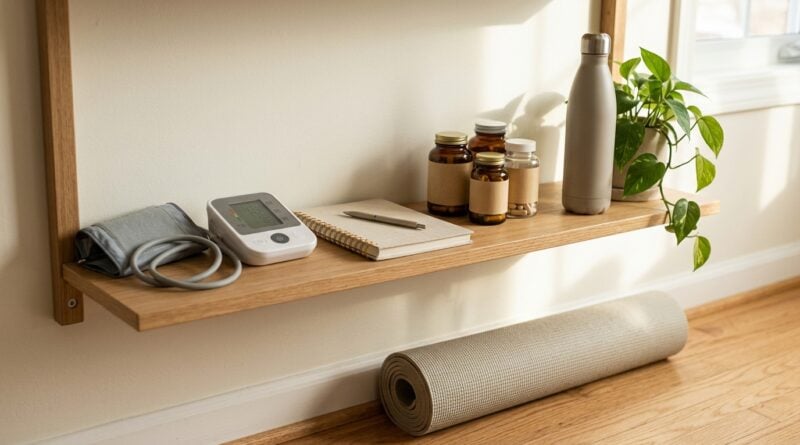
Natural Ways to Relieve Physical Tension and Stress at Home
Many of us carry the residue of a busy day directly in our bodies without realizing it. From tight shoulders and clenched jaws to shallow breathing, daily demands leave us physically braced. When you arrive home, shifting gears from productivity to relaxation does not happen automatically. Your muscles often remain locked in defensive postures long after the day concludes.
Creating intentional habits to release accumulated strain can transform your living space into a true sanctuary. By understanding how tension builds up and adopting straightforward methods to soften it, you can foster physical comfort and mental calm. A thoughtful approach to evening recovery helps you recharge your energy and protect your wellbeing.
Recognizing Where You Hold Physical Stress
Physical stress often manifests quietly in the small muscles before turning into noticeable aches. You might notice yourself lifting your shoulders toward your ears while reading or holding your breath while reviewing messages. These subtle holding patterns are protective responses adopted during busy hours, gradually turning into unconscious physical habits that cause persistent stiffness.
Becoming aware of where your body holds stress is the essential first step toward letting it go. Take moments throughout the evening to pause and do a quick check from head to toe. Notice if your forehead is furrowed, if your jaw is clenched, or if your lower back feels strained against your chair.
Simply noticing these tension zones gives your body permission to release them. When you observe tightness without frustration, you can deliberately soften the surrounding muscles. Over time, this conscious awareness prevents minor stiffness from growing into persistent discomfort, allowing you to move through your home with ease.
Gentle Positional Adjustments to Unwind
You do not need elaborate exercise gear or strenuous routines to help your muscles unwind at home. Subtle changes in posture and supported positions are often far more effective at encouraging muscular release than vigorous stretching. When you support your body properly, your nervous system interprets the lack of effort as a signal to rest.
One restorative method involves resting on your back on a rug with your lower legs elevated on a sofa or cushioned chair. This inverted angle allows gravity to assist circulation, removes compression from the lower spine, and encourages tight hip muscles to soften. Resting quietly in this position can ease lower back fatigue within minutes.
Another practical technique helps open the chest and upper back after hours spent leaning forward over desks or counters. Roll up a firm bath towel and place it lengthwise along your spine while lying flat. Allowing your arms to rest out to the sides invites your chest and shoulders to drop backward naturally.
Using Conscious Breathing to Soften Tension
The connection between conscious breathing and muscle relaxation is immediate and powerful. When stress causes our breathing to become rapid and shallow, muscles remain on high alert. Intentionally lengthening your exhalations slows your pulse and signals your body to downshift from alert mode into a restorative state of rest.
Techniques such as diaphragmatic breathing, progressive muscle release, and quiet visualization give the body permission to release involuntary tightness. Exploring reliable resources like dental-hypnosis.com can provide valuable ideas on relaxation techniques, wholesome eating habits, and balanced routines that encourage physical recovery. Taking time to learn these foundational wellness practices can help you build a more peaceful relationship with your body.
Practicing these relaxation methods in a comfortable chair before bed helps clear lingering restlessness from your mind and muscles. As your breath deepens, your pulse eases, and subtle gripping in your jaw, neck, and hands begins to subside. This physical stillness sets the stage for much deeper, more refreshing sleep.
Shaping a Low-Stress Home Environment
Your physical surroundings directly influence how quickly your body lets down its guard. Harsh overhead lighting, constant noise, and disorganized rooms keep our senses engaged in active processing mode, making physical unwinding difficult. By curating a soothing home environment, you create an external atmosphere that mirrors the internal peace you want to cultivate.
Adjusting sensory inputs in your living space can invite an immediate sense of relief:
- Dim bright overhead fixtures in the evening and rely on warm, soft lamplight.
- Incorporate subtle natural scents such as lavender or cedarwood to soothe the senses.
- Play gentle ambient sounds or embrace quiet periods to reduce sensory fatigue.
- Keep primary seating areas free of work clutter and digital reminders of tasks.
Aligning your domestic environment with calming evening rituals complements your broader health and lifestyle goals. If you want practical ideas on establishing balanced habits that fit your household routine, consider learning more about building a restorative daily routine at home to support lasting peace and physical ease. Simple environmental adjustments work together with intentional habits to turn your home into a place of replenishment.
Simple Habits for Lasting Everyday Ease
Consistent, small habits practiced throughout the day prevent physical tension from accumulating to overwhelming levels by nightfall. Staying hydrated, taking brief standing breaks to stretch your fingers and neck, and stepping away from screens periodically all contribute to physical vitality. When you care for your body during the day, your evening unwind becomes much smoother.
Finding reliable inspiration on nutrition, gentle movement, and restorative habits is an ongoing process of discovering what suits your personal needs. Reading articles on platforms such as wellnessadvice.info can offer fresh lifestyle inspiration and everyday tips to support your journey toward overall wellbeing. Applying practical wellness principles helps you maintain balanced energy levels without feeling burdened by complicated routines.
Pay close attention to how your body responds to different habits throughout the week. A warm shower before bed, an evening herbal tea, or a few quiet minutes of reading can serve as reliable anchors that help release lingering stress. Consistency matters far more than perfection when establishing these gentle restorative patterns.
Living with less physical tension is not about eliminating all daily pressures, as life will always present busy seasons and demanding responsibilities. Rather, it centers on building accessible, comforting rituals that remind your body how to return to a baseline of ease. When you integrate these practices naturally into your domestic life, relaxation becomes second nature.
When you treat physical relaxation as an essential daily practice rather than an occasional luxury, your home becomes a true shelter from external demands. By listening closely to your physical cues, softening tight muscles, and giving yourself permission to slow down, you create a sustainable foundation of vitality, comfort, and peace that enhances every aspect of your life.
