
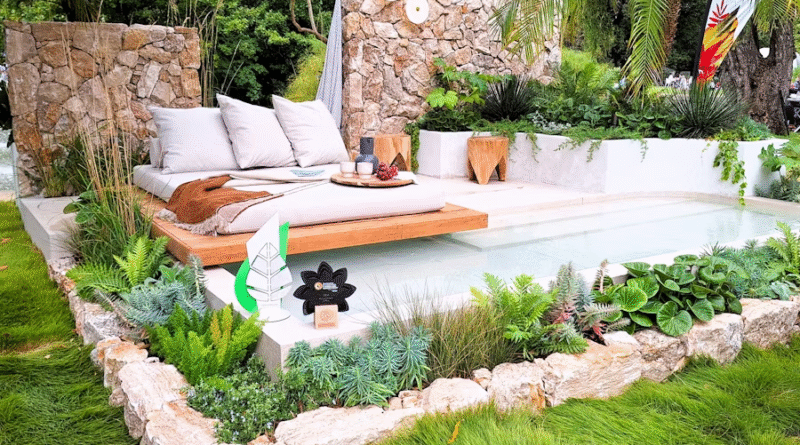
The Physics of Peace: Why Garden Rooms Are the Perfect Environment
Garden rooms provide a unique environment where nature and design converge to enhance focus and creativity. By incorporating natural light, fresh air, and greenery, these spaces reduce distractions and foster mental clarity.
The physical separation that garden rooms offer from typical indoor environments helps reduce stress and overwhelm. This calm atmosphere supports emotional regulation and sustained attention, making it easier to concentrate on complex tasks. The thoughtful integration of natural elements subtly activates the brain’s capacity to generate new ideas and solve problems.
For those looking to transform their workspace, garden rooms offer a practical solution that nurtures peace and boosts productivity.
The Science of Peaceful Focus in Garden Rooms
Garden rooms combine elements that regulate the environment, encourage mindfulness, and promote relaxation. Understanding the interplay between physical space and psychological state reveals why garden rooms are effective for focus and innovation.
How Garden Rooms Create Tranquil Spaces
Garden rooms are designed to minimize sensory overload by blending natural elements with comfortable furnishings. They often feature large windows or glass walls that invite natural light and views of greenery, which help reduce stress hormones. The presence of plants improves air quality and adds a calming visual texture.
Soundproofing and insulation techniques further isolate garden rooms from outdoor noise, creating a quiet atmosphere conducive to concentration. The spatial arrangement is typically uncluttered to avoid cognitive fatigue. Seating is chosen for comfort, offering a physical ease that supports longer periods of mental engagement.
Environmental Factors That Enhance Focus and Creativity
Light, temperature, and air quality in garden rooms are carefully controlled to maintain comfort and alertness. Natural light regulates circadian rhythms, improving mood and cognitive function. Temperature moderation prevents distractions caused by discomfort.
Fresh air circulation and surrounding greenery have measurable effects on brain activity, lowering stress and encouraging positive emotional states. This environment reduces the mental load of filtering out background disturbances, resulting in improved sustained attention and problem-solving ability. Ergonomic furniture supports posture, minimizing physical strain and maintaining energy.
| Factor | Impact on Focus & Creativity |
| Natural light | Regulates mood and cognitive cycles |
| Temperature | Maintains physical comfort |
| Air quality | Enhances brain function and reduces stress |
| Sound control | Eliminates distractions |
| Ergonomic design | Supports physical well-being |
The Role of Mindfulness and Relaxation in Productivity
Mindfulness practices benefit from spaces that encourage presence and calm. Garden rooms provide an environment where individuals can engage with sensations like the feel of cushions or the sight of plants, supporting focused attention on the moment.
Relaxation helps regulate emotional responses, lowering stress hormones that impair cognitive performance. When people feel at ease, their brains can enter a more creative and open state. Cultivating a routine of mindful reflection or meditation within a garden room strengthens emotional regulation, reducing anxiety during work or study.
Designing Garden Rooms for Innovation and Wellbeing
Creating a garden room that fosters both innovation and wellbeing requires attention to mindfulness, material choice, and mental health benefits. The space must encourage relaxation while stimulating focus and creativity through thoughtful design and natural elements.
Key Elements for a Mindful and Innovative Environment
Garden rooms should include dedicated areas for quiet reflection, such as seating with floor cushions or ergonomic chairs positioned near plants. Incorporating elements like small herb gardens or indoor greenery supports mindfulness by encouraging care and attention to living things.
The layout should avoid clutter to promote clear thinking. Natural light must be maximized, as it has been shown to improve focus and mood. Soundproofing or soft background sounds, like water features, can minimize distractions and enhance concentration.
Key considerations:
- Comfortable seating for meditation or work
- Visible greenery to encourage calm productivity
- Use of natural light and soft acoustics
Incorporating Natural Materials and Zen Principles
Materials like reclaimed wood, bamboo, and stone create a tactile connection to nature, grounding the space. These surfaces contribute to a calming atmosphere and align with sustainable practices, reducing environmental impact.
Zen principles emphasize simplicity and balance. This can be achieved through minimalistic furniture, neutral color palettes, and an uncluttered layout that promotes flow and tranquility. Integrating elements such as smooth stones or sand gardens can further establish a peaceful environment.
A balance between open space and functional design supports both relaxation and innovation, encouraging users to switch effortlessly between contemplation and creative work.
Discover how garden rooms can transform your workspace into a sanctuary for focus, creativity, and wellbeing.
Benefits for Mental Health and Overall Wellness
Exposure to sunlight and plants within garden rooms supports mental health by reducing stress hormones and improving mood. Horticultural activities, like tending to plants, have therapeutic effects that increase focus and decrease anxiety.
These spaces offer a retreat from indoor distractions, making it easier to practice mindfulness, meditation, or yoga. This separation from the main living area fosters mental boundaries, essential for relaxation and emotional regulation.
