
Navigating Urgent Home Repairs Without Stressing Out
Homeownership brings a unique set of responsibilities that often arrive without warning. While we strive to maintain our living spaces with routine care, unexpected infrastructure issues can suddenly demand our full attention. Whether it is a sudden leak, an electrical fault, or a failure of a critical appliance, these situations require a measured approach. Remaining calm is the most effective way to navigate the chaos, as it allows you to assess the situation objectively and prioritize the safety and integrity of your home environment.
Assessing the Immediate Need
When you discover an unexpected repair issue, your first instinct might be to panic. Instead, pause to assess the situation thoroughly. The primary goal is to contain any immediate danger or further damage. If the issue involves water, locate the main shut-off valve immediately to stop the flow. If there is an electrical concern, identify the correct breaker to cut power to that specific area. Once the immediate threat is contained, take a moment to evaluate the extent of the damage.
Consider whether the issue poses a threat to the safety of anyone in the home. Structural failures or severe electrical malfunctions necessitate immediate professional intervention. If the problem is less critical, you might have more time to research solutions and find reliable help. Documenting the damage with clear notes or visual references can be incredibly helpful later when communicating with repair professionals or discussing the issue with your household members.
Prioritizing Repairs Based on Functionality
Not every home repair issue is an emergency, and distinguishing between urgent necessities and manageable inconveniences is crucial. A primary repair, such as a heating system failure during the colder months or a compromised roof, directly impacts your basic daily comfort and the structural health of your property. These issues must be addressed before cosmetic or non-essential maintenance.
Create a prioritized list to manage the repairs effectively. Consider the following factors when determining priority:
- Safety and Security: Any issue that puts inhabitants at risk or makes the home insecure must be addressed immediately.
- Structural Integrity: Problems that can lead to long-term, expensive damage, such as persistent moisture or foundation issues, should be moved up on your list.
- Daily Functionality: Issues that prevent you from using essential home utilities, like water, electricity, or basic appliances, are high priority.
- Cost of Delay: Some issues worsen quickly if left unattended. If waiting a few days means a significantly larger bill later, prioritize the repair now.
By tackling the most pressing issues first, you prevent minor problems from escalating into overwhelming household crises.
Structuring Your Repair Budget
Managing the financial aspect of unexpected repairs is often the most stressful part of homeownership. When a major component fails, you may find yourself needing a quick way to cover the costs before further damage occurs. While proactive saving is ideal, reality often involves navigating sudden expenses. When immediate liquidity is needed to handle these urgent needs, resources like Instantpaydayloansoh.com can offer short-term solutions. As you build your contingency plan for your property, consider mastering financial habits for home-based success to strengthen your overall position and minimize future stress.
It is helpful to establish a dedicated fund specifically for home maintenance. Even if you can only set aside a small amount regularly, this emergency reserve provides peace of mind when a surprise repair arises. When faced with an unexpected invoice, review your budget to see what can be adjusted temporarily. Avoid the temptation to put off essential repairs, as the cost of fixing a neglected issue is frequently much higher than the cost of fixing it promptly.
Finding and Vetting Repair Assistance
Unless you are well-versed in the specific trade required, it is often best to seek professional assistance for significant repairs. Finding a reliable contractor or service provider requires patience and diligence. Start by asking for recommendations from trusted neighbors or local community groups. A referral from someone you know is often more valuable than a generic online search result.
Once you have a few options, vet them thoroughly. Ask clear questions about their experience with the specific issue you are facing. A professional should be able to explain the problem, the proposed solution, and why that approach is necessary. Do not hesitate to ask for clarity on the process. A reputable professional will be transparent about their methods and should provide a clear understanding of the work to be performed before any tools are picked up.
Maintain consistent communication throughout the repair process. Clearly define the scope of the work and check in regularly to ensure the progress aligns with your expectations. If a repair seems more complicated than initially anticipated, stop and discuss the changes with the professional before allowing them to proceed with additional tasks.
Implementing Preventive Maintenance Habits
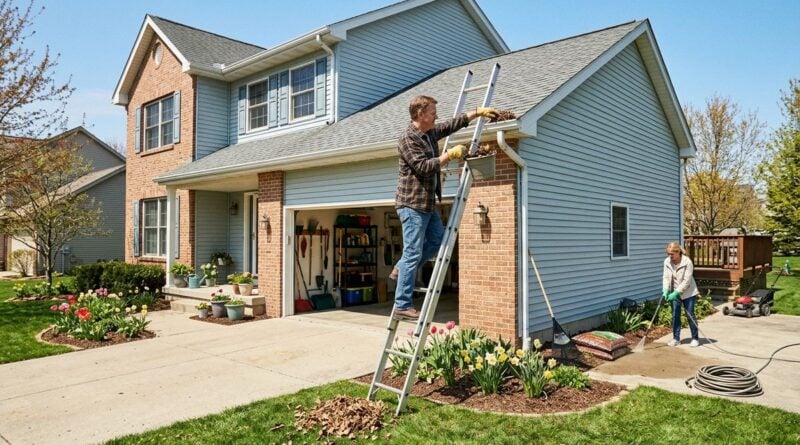
While you cannot anticipate every potential failure, you can significantly reduce the frequency and severity of repairs by implementing a regular maintenance schedule. Consistency is key to keeping your home running smoothly. Routine checks allow you to identify small issues before they become major, costly problems. For example, regularly cleaning out gutters prevents water damage to your roof and foundation, while testing smoke alarms and replacing air filters ensures both safety and system efficiency.
Develop a seasonal checklist that covers the essential systems of your home. During the change of seasons, focus on the areas that are most affected by the weather. In the spring, inspect your roof and exterior siding. In the fall, focus on heating systems and insulation. These habits do not have to be time-consuming or expensive. Often, simple visual inspections and minor adjustments can save you from substantial headaches down the road. Taking an active role in the care of your home is the most effective way to protect your investment and maintain a comfortable living space for you and your family.
Taking care of a home is a continuous process that rewards consistency and careful attention. By staying prepared, keeping a clear head during unexpected challenges, and maintaining a regular maintenance schedule, you can manage almost any repair scenario with confidence. Remember that your home is a complex system of interconnected parts, and even minor efforts in prevention can lead to a more peaceful living environment over time.
