
Lighting a Homework Desk Without Glare or Shadows
A homework desk works best when the light is steady, bright enough to read comfortably, and free of harsh reflections. Poor lighting can make reading and writing feel tiring, even for motivated students. Thoughtful choices about lamps, placement, and bulbs can turn a corner of the house into a focused study space.
This article explains how to light a homework desk in general terms. It covers placement, lamp types, color temperature, and simple adjustments for different tasks. The advice suits a bedroom, a shared living room, or a small corner in an apartment.
Positioning the Desk Near Windows
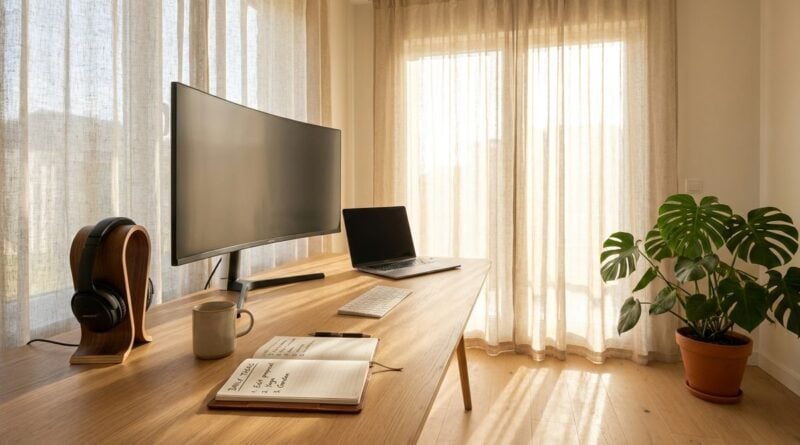
Natural light is pleasant, but it changes throughout the day and can create glare on glossy paper. A desk placed at a right angle to a window often reduces reflections on the page. Facing a window directly can cause squinting during bright afternoons. Adding a sheer curtain softens strong sunlight without blocking it entirely.
Readers may also want to visit The Kitchen Store Online.com. Those ideas often emphasize keeping the light source to the side of the writing hand. This helps prevent shadows from falling across the notebook. Moving the desk a few feet can make a noticeable difference.
Choosing Lamp Types and Brightness
A task lamp with an adjustable arm lets a student aim the light exactly where it is needed. Clamp lamps and desk lamps with flexible necks work well on compact surfaces. Brightness should be strong enough for reading without causing eye strain. Dimmers help students adjust for different tasks.
You can also visit Greenrenters.org for more reading. That combination reduces contrast between the desk and the rest of the room. It also keeps the room comfortable for siblings or family members nearby. Balanced lighting feels calmer over long study sessions.
Color Temperature and Bulb Choices
Bulbs are described by color temperature, which affects how warm or cool the light appears. Neutral white light often suits reading and writing because it looks natural on paper. Very warm light can feel relaxing but may make colors harder to distinguish. Choosing bulbs with stable light output helps maintain consistency.
For a related read on this site, see Drafting a Shared Driveway Maintenance Agreement With a. Some students prefer cooler light for focused tasks and warmer light for evening reading. Smart bulbs can switch between settings, although simple lamps often work just as well. Testing a bulb at the desk is the best confirmation.
Reducing Glare on Screens and Paper
Glare appears when a bright source reflects off a glossy surface and into the eyes. Matte paper and anti glare screen covers can reduce these reflections. Repositioning the lamp so the light falls from the side often solves the problem. Simple adjustments are usually effective.
Students who use tablets may benefit from lowering screen brightness during long sessions. Turning off overhead lights that create reflections can help as well. Keeping the room lit evenly reduces the strain of switching focus between the screen and the book. Comfortable eyes help students stay on task.
Desk surfaces also influence how light behaves. Pale or matte finishes reflect less glare than glossy laminates. Matte finishes also make writing feel smoother under the hand. A mat or a cloth can soften a bright surface and reduce distracting shine. Choosing a desk with a neutral finish supports comfortable reading.
Chairs and posture matter because a student who slouches may struggle to see the page clearly. Adjusting the chair height so the book sits at a comfortable angle helps reduce strain. A footrest can make the setup more stable for younger students. Good posture and good lighting work together.
Some study spaces benefit from a small clock or visible timer. Seeing the time helps students pace reading and breaks without constant checks on a phone. A small clock on the wall works just as well as a timer. Keeping the timer away from the screen avoids distraction. Simple tools often support focus better than complicated gadgets.
Lamps need regular attention too. Dust on shades and bulbs reduces brightness over time, so a quick wipe each week helps. Replacing a dim or flickering bulb promptly keeps the light steady. Keeping spare bulbs in a drawer avoids a lapse in study time. Students can learn this habit as part of their own study routine.
Parents can encourage students to describe how the light feels after a long session. Those comments reveal whether an adjustment is needed. A brief check in each month keeps the arrangement current. Small changes based on honest feedback are often the most effective. Listening to the student keeps the space working for them.
A Desk Built for Focus
Good lighting makes homework feel less like a struggle and more like steady progress. Thoughtful placement, sensible lamps, and balanced bulbs reduce glare and shadow. Keeping the area tidy and reviewing the setup with the student keeps the space useful over time. A well lit desk gives learning room to grow.
